Who we are

In the UK and Ireland, there is no clear, dedicated pathway into mycology. Most people find their way into fungi through winding routes, from ecology and cultivation to art, folklore, and design. That diversity is part of what makes the field so rich, but it can also feel fragmented and hard to navigate. The Culturing Dish was created to change that.

We’re a grassroots network for early-career mycologists and mycofolk, aiming to connect people within their first decade of practice. Our role is to hold space where knowledge is shared openly rather than locked away, where practical and creative skills can spread like mycelium, and where opportunities, from funding support to collaborations, can circulate fairly.

At its heart, the Dish is about people finding each other. Whether in the lab, the field, or the studio, we believe fungi thrive best when their networks are strong, and so do we.

founding directors

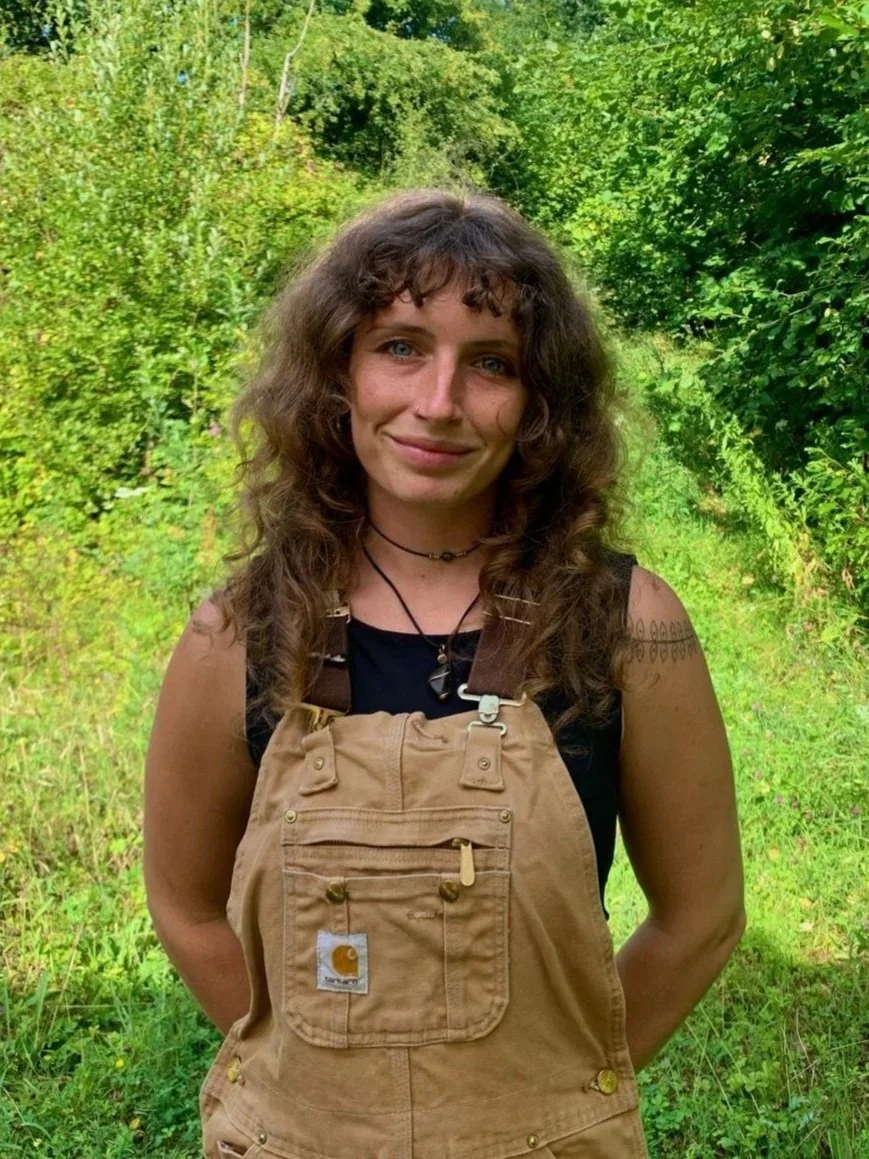
  • Danielle Miller

    Vision & Network Development (she/her)

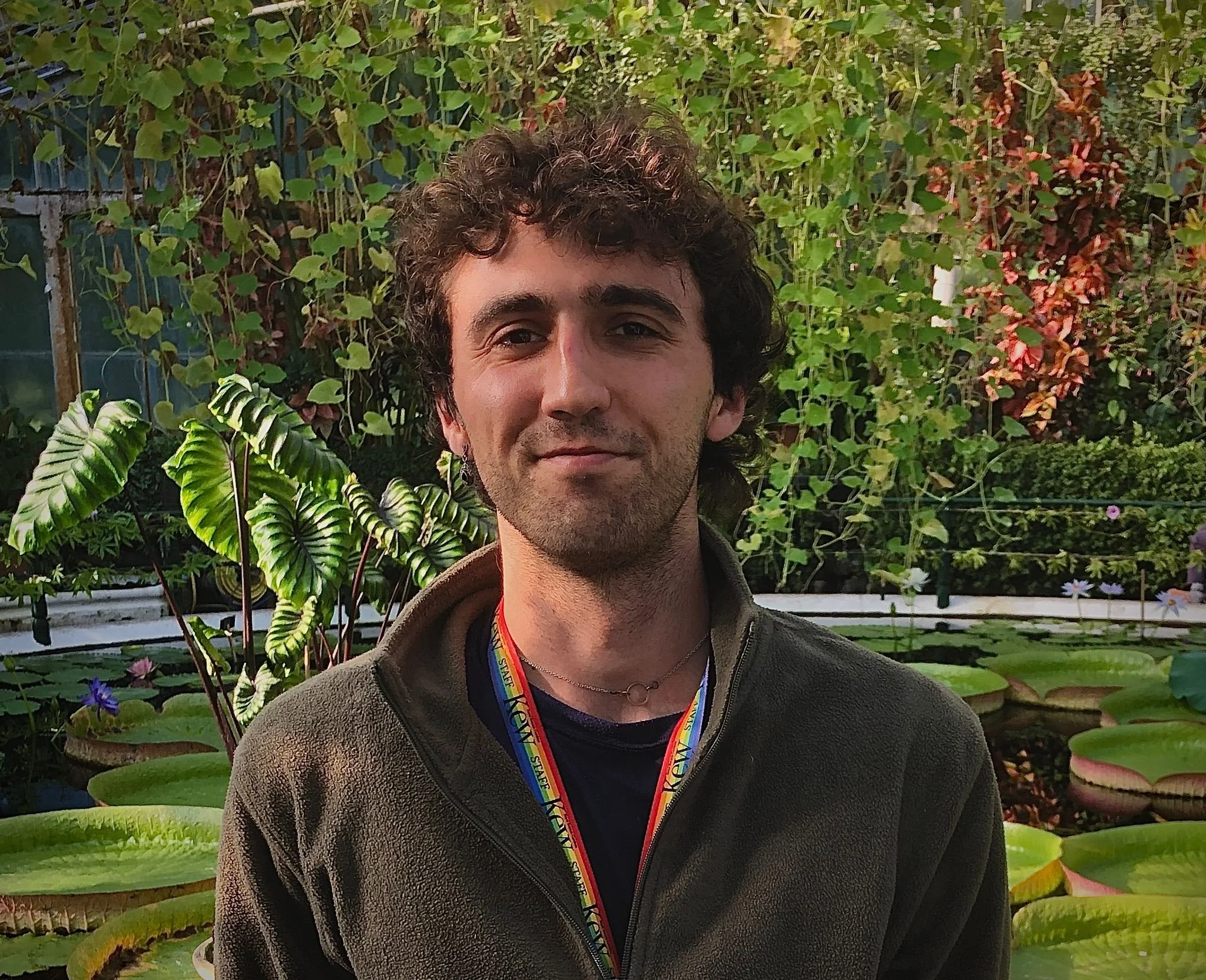
  • Alessandro Agorini

    Education & Partnerships (they/them)

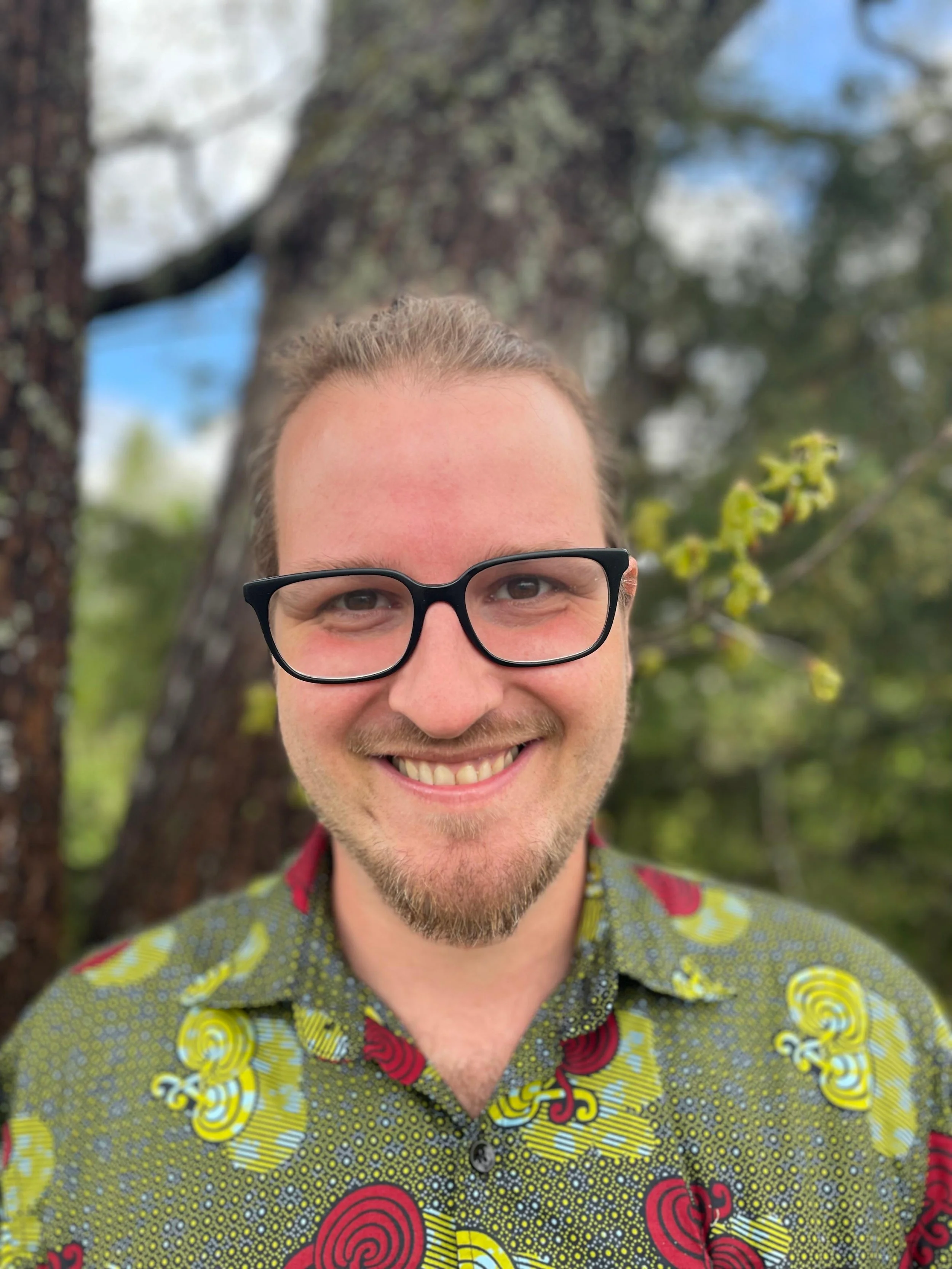
  • Lorin von Longo-Liebenstein

    Applied Mycology & Community (he/him)

our story

The Culturing Dish began with a question that kept returning.

Why do so many people find their way into fungi on their own?

For Danielle, fungi first arrived quietly, long before there was a network, a plan, or any clear sense of where the interest might lead. During the lockdown years, she spent a lot of time walking the same small woodland near her home in the Lake District, watching the ground change with the weather and the seasons. What began as a way to get outside slowly became a way of paying attention. A bracket on a fallen branch, a flush of caps after rain, a strange shape pushing through moss. Most of it could not be named properly at first. A Collins pocket guide came along, pages were turned back and forth, guesses were made and abandoned. But something had shifted. The woodland had become less like scenery and more like a conversation.

That habit of looking stayed with her. At the Eden Project, where she studied Plant Science, fungi were rarely placed at the centre of things, but they were never absent. They appeared in the soil, in disease, in decay, in the relationships between roots and the living world around them. There was always a way to bring them in, even when they were not meant to be the focus. In assignments, field notes, side conversations and questions after lectures, fungi kept making their way through.

That sense of being drawn towards the edges became sharper in Brazil, while working in the Mata Atlântica on bioluminescent fungi and Ophiocordyceps. In the rainforest, fungal life was everywhere. It glowed from damp wood after rain, rose from insects in the leaf litter, threaded through the decomposition that made the forest possible. Yet even there, within a much larger ecological team, mycologists were few. The work was exciting and formative, but it also made something visible that had been harder to name before: fungi were woven through everything, yet the people studying them often seemed to be working in small pockets, scattered through wider fields.

Returning to the UK did not make that feeling disappear. If anything, it became more obvious. There were people growing fungi in rural units, students trying to bring fungi into courses that barely had space for them, ecologists carrying fungal knowledge into roles that did not quite know what to do with it, and enthusiasts building their own education through books, field meetings, mentors and sheer persistence. The interest was there. The knowledge was there. The pathways were not.

‍ ‍The Culturing Dish grew out of that gap.

Not as a finished idea, and not as something that arrived neatly formed, but as a need that kept making itself known. A need for somewhere people could meet each other before they already had the perfect job title, the right institution, or the confidence to call themselves a mycologist. Somewhere to ask simple questions without feeling behind, and bigger questions without having to explain why fungi mattered in the first place. Somewhere that could hold the strange mix of science, cultivation, ecology, art, education, policy and field knowledge that so often gathers around fungi, but rarely sits in the same room.

The first call was informal. Just a small opening, really, to see whether other people felt the same. They did. People arrived with different backgrounds and the same recognition. This was not a new feeling. It was something many had been carrying quietly, often while trying to find their own way into a field that did not always make space for them.

From that first gathering, the shape of the network began to emerge. Alessandro Agorini joined early on, bringing a strong commitment to education and to making fungal knowledge more accessible. Lorin von Longo-Liebestein became involved soon after, following a chance meeting at a festival, with the energy, applied experience and community-minded approach that helped turn the idea towards action. What began as Danielle’s question became a founding team, each person holding a different part of the work, and giving it more depth than one person could have carried alone.

The Culturing Dish is still becoming what it needs to be. That feels right. Fungal work rarely moves in straight lines, and neither do the people drawn to it. Some arrive through science, others through growing, art, conservation, education, food, folklore, land work, or simple curiosity. Some come with degrees and field experience. Others come because they once stopped at a stump and could not stop wondering what they had found.

This network exists for all of that. For the conversations after talks, the shared contacts, the first field walks, the half-formed project ideas, the questions that need a room before they become anything else. It exists so that people working with fungi, or trying to find their way towards them, do not have to do it in isolation.

At its heart, The Culturing Dish is still answering the question it began with. Not with a single route, or a promise that the field is easy to enter, but with something more useful: a growing space of people, knowledge, opportunities and care. A place where the fungi world can feel a little less scattered, and where more people can find their way in without having to do it alone.

The photos to the right are from one of our Myco Meet-ups →
It’s been really special to see these gatherings take shape. If you’d like to get involved, join the network, or start something in your own area, we’d love to hear from you! Message us here.